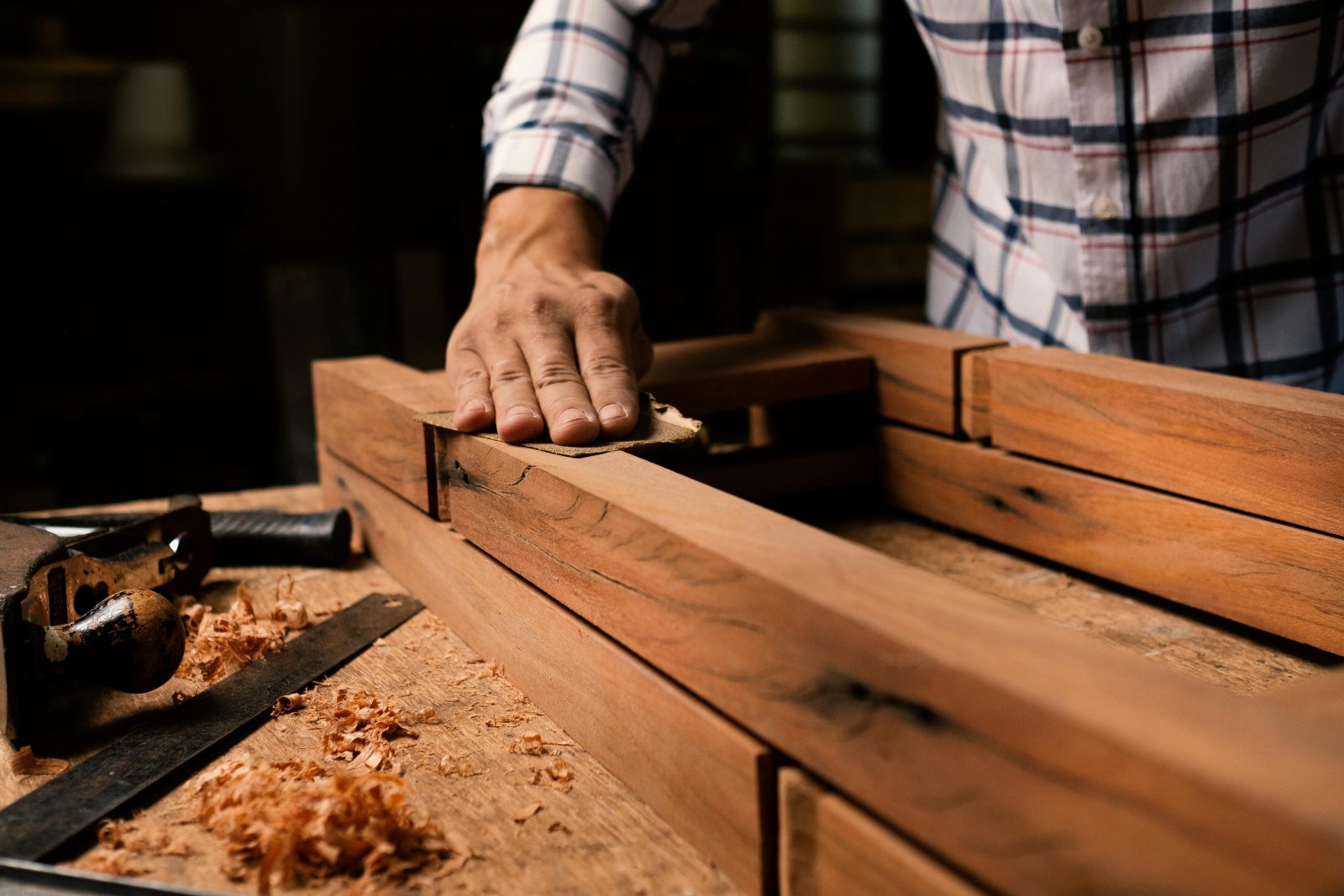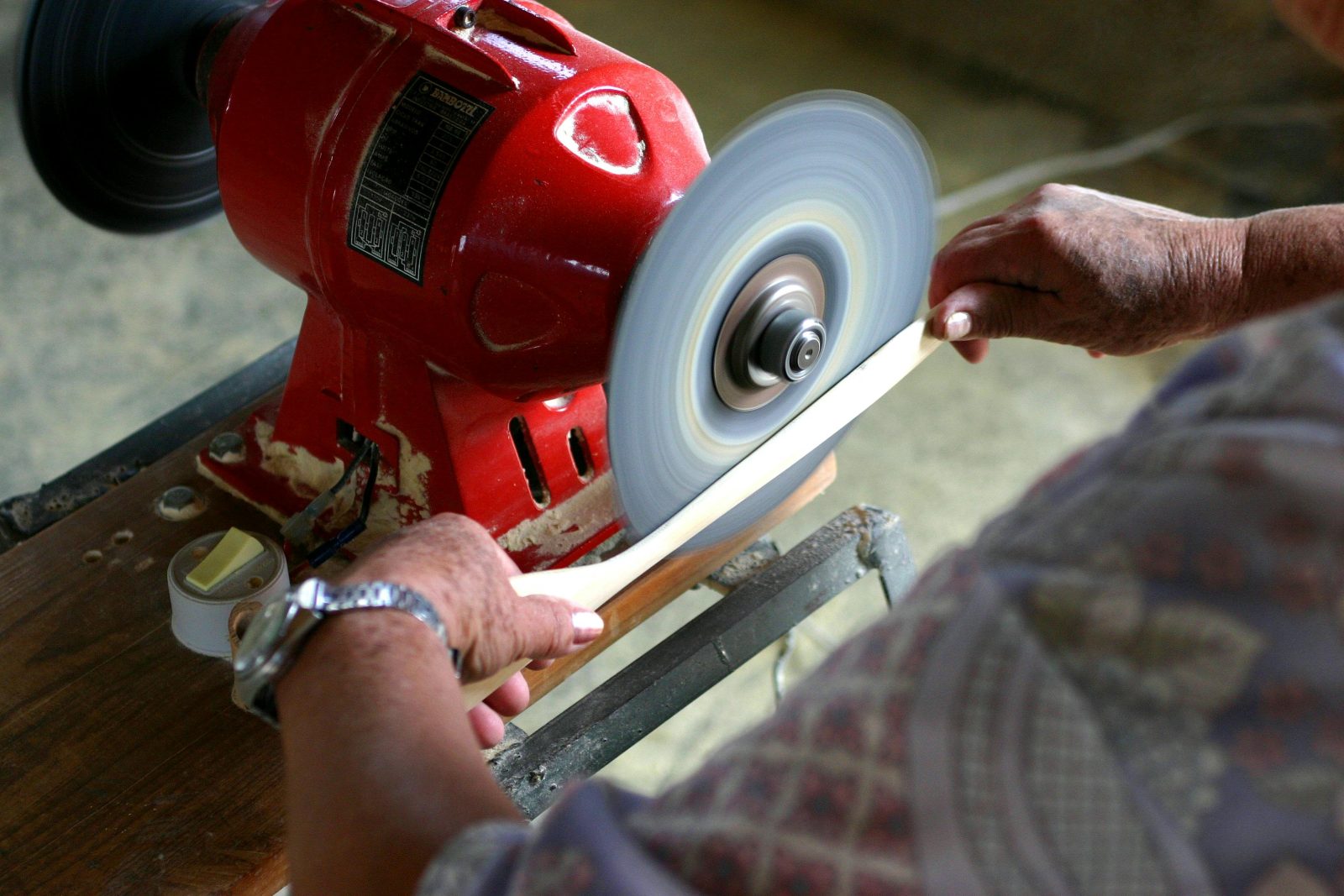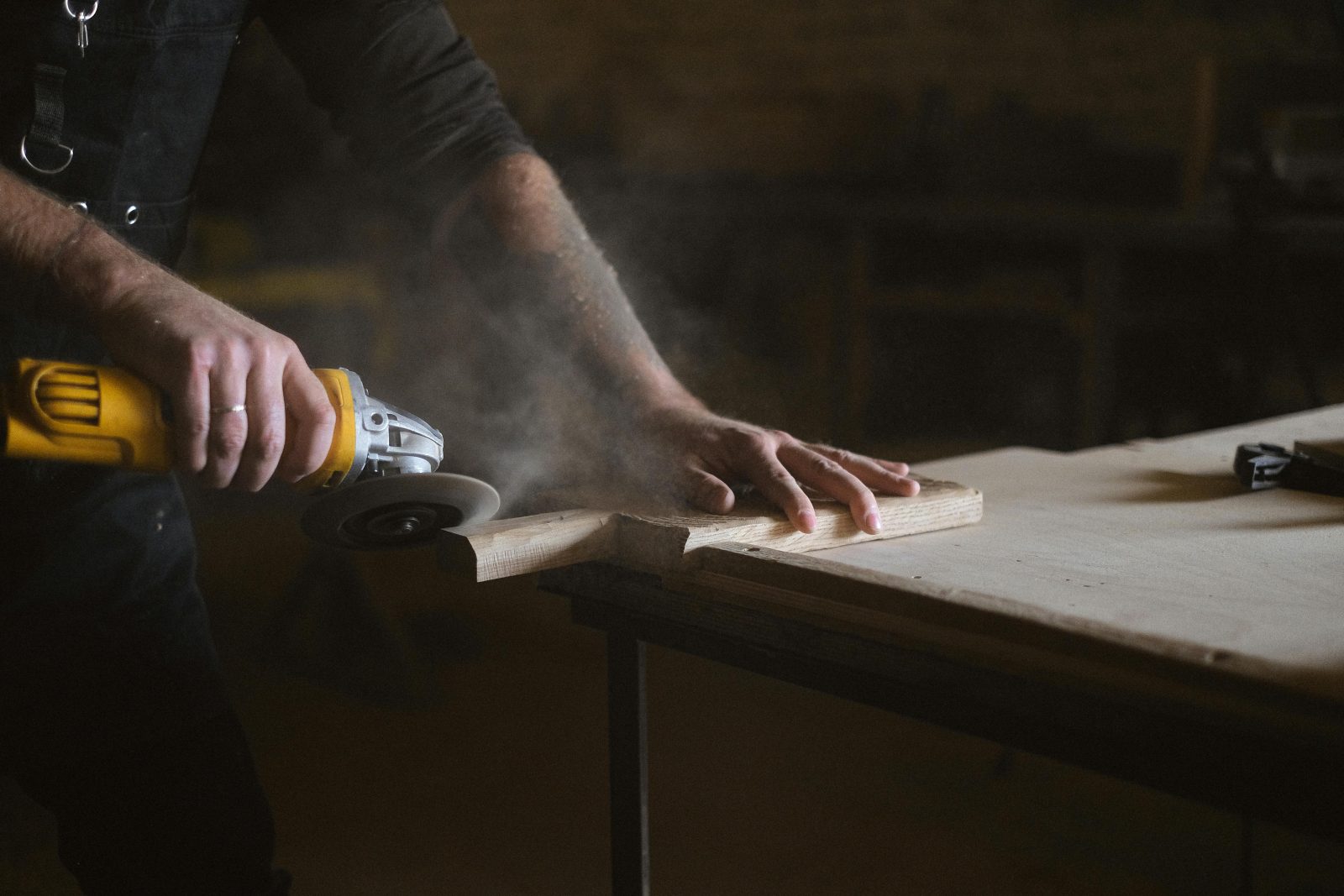
Sanding wood correctly is essential for achieving a smooth and professional finish. Whether you are working on furniture, doors or DIY projects, proper sanding improves the final result and helps paint or varnish stick better.
Why Sanding Wood is Important
Sanding removes rough areas, old paint and imperfections. It prepares the surface for finishing and improves the overall appearance of the wood.
Step 1: Choose the Right Sandpaper
- 80 grit – for rough surfaces
- 120 grit – for smoothing
- 180–220 grit – for finishing

Step 2: Sand With the Grain
Always sand in the direction of the wood grain to avoid scratches and damage.
Step 3: Use Even Pressure
Apply light and consistent pressure. Pressing too hard can create uneven surfaces.
Step 4: Move Gradually Through Grits
Start with coarse grit and gradually move to finer grit for a smooth finish.
Step 5: Clean Dust Between Steps
Use a cloth or vacuum to remove dust before switching sandpaper.
Step 6: Final Finishing
Use fine grit (220 or higher) before applying paint, oil or varnish.
Manual vs Power Sanding
Hand sanding is good for small areas, but for large surfaces, using an orbital sander is faster and more efficient.
Watch Video Guide
Watch how to sand wood correctly on YouTube
Related Articles
Conclusion
Sanding wood correctly is not difficult, but it requires patience and the right technique. Follow these steps and you will achieve a smooth, clean and professional result every time.