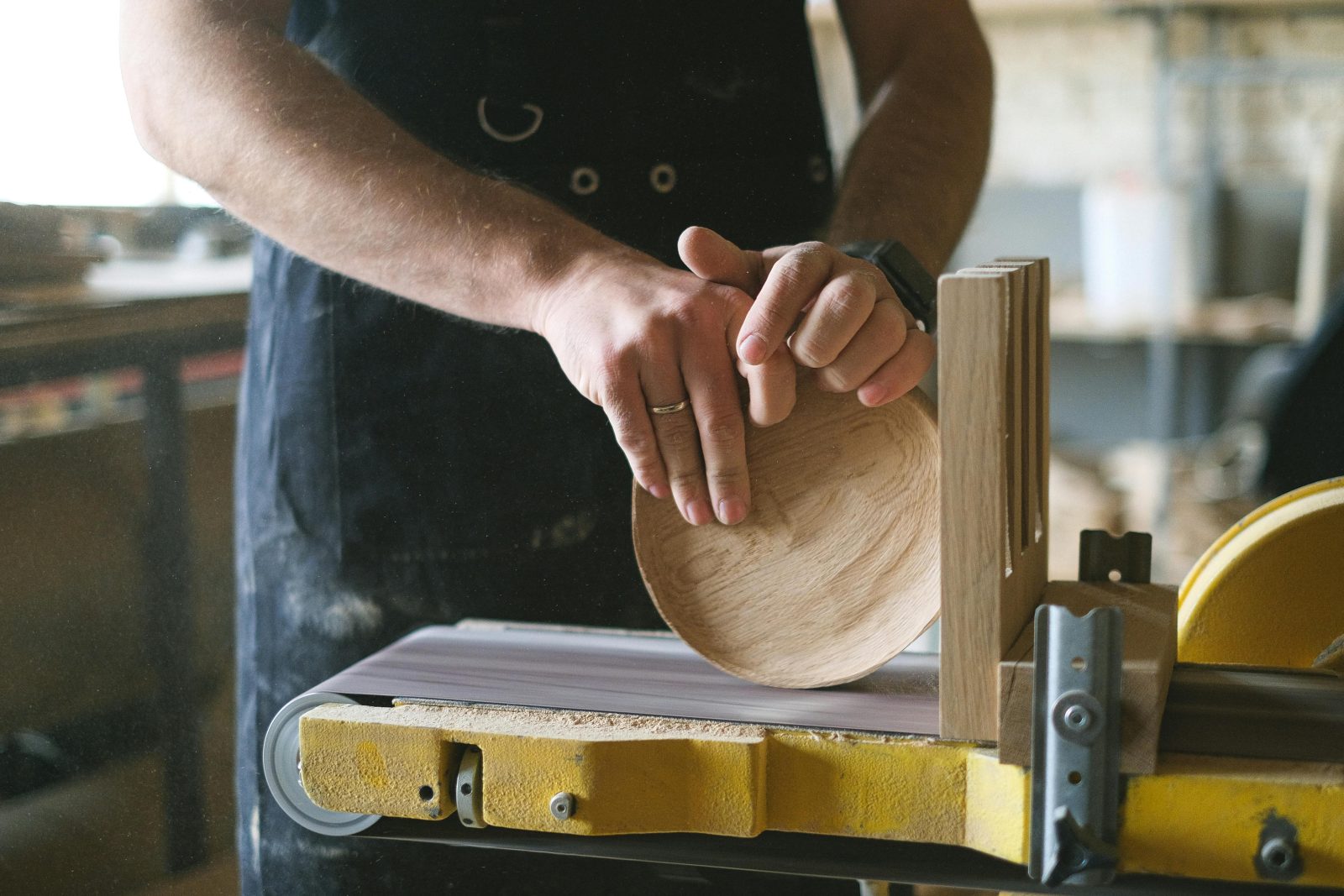
SANDPAPER GRIT GUIDE

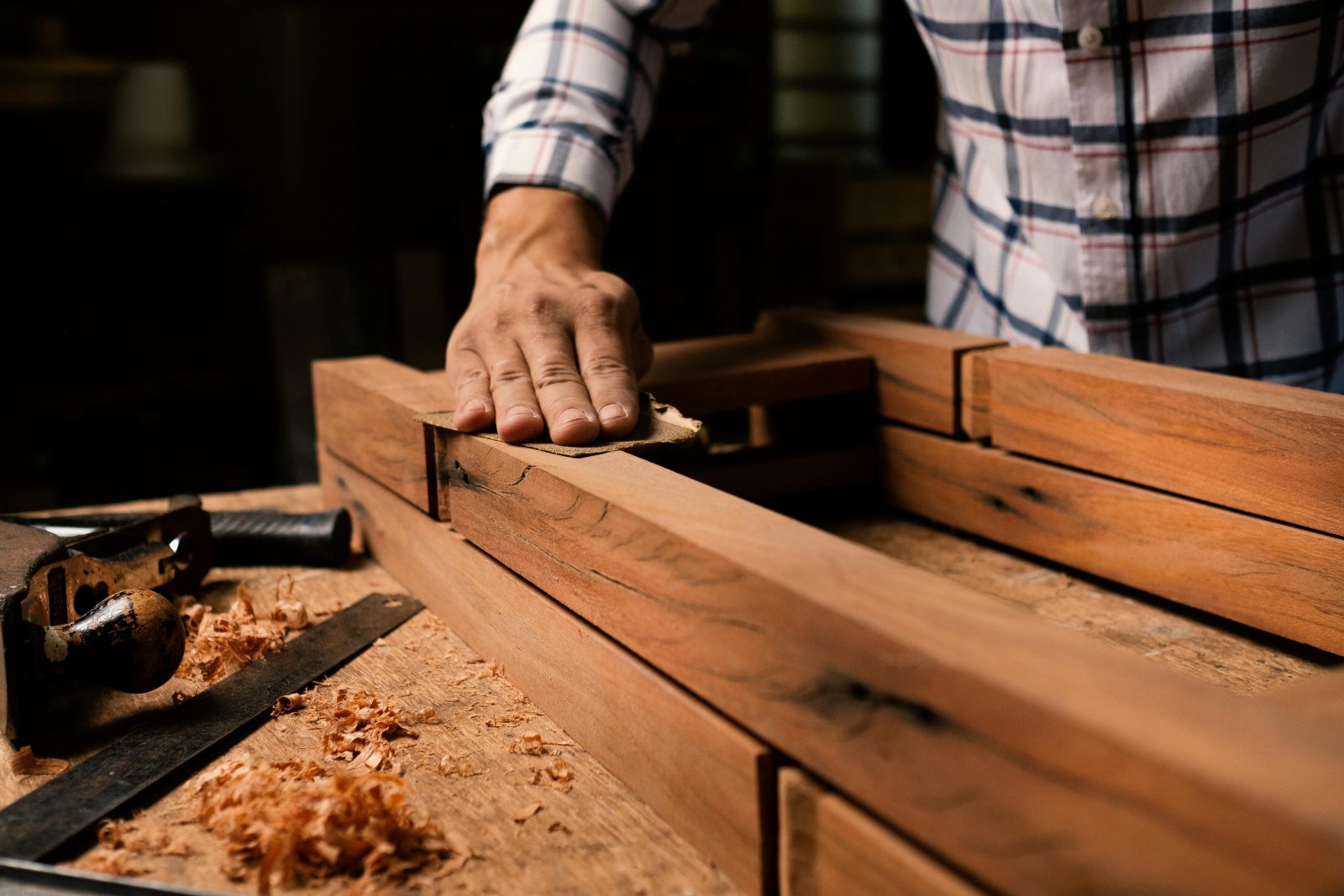
Choosing the correct sandpaper grit is one of the most important steps in any sanding project. Using the wrong grit can damage your surface, waste time and give poor results. This guide explains everything you need to know about sandpaper grit in a simple way. What Does Sandpaper Grit Mean? Sandpaper grit refers to the size of abrasive particles on the paper. Lower numbers mean rougher grit, while higher numbers mean smoother grit. Sandpaper Grit Chart 40–80 grit: Heavy sanding, removing paint or leveling rough wood 100–150 grit: Smoothing surfaces and preparing wood 180–220 grit: Fine sanding before finishing 240+ grit: Extra fine finishing and polishing How to Choose the Right Grit Start with coarse grit if the surface is rough, then gradually move to finer grit. Skipping steps can leave scratches or uneven results. Best Grit for Common Tasks Removing paint → 60–80 grit Smoothing wood → 120 grit Before painting → 180–220 grit Final finish → 220+ grit Common Mistakes Using fine grit on rough surfaces Skipping grit levels Not cleaning dust between sanding steps Watch Video Guide Watch sandpaper grit explained on YouTube Related Articles How to Sand Wood Correctly How to Use an Orbital Sander Correctly Best Sander for Home DIY Projects Conclusion Choosing the right sandpaper grit is essential for achieving a smooth and professional finish. Always start coarse and move to finer grits step by step for the best results. Continue Exploring Discover more sanding guides, tool comparisons and expert tips to improve your results. 🔥 You May Also Like Best Orbital Sanders in 2026 (Complete Buying Guide) How to Use an Orbital Sander Correctly Sandpaper Grit Guide: Which Grit Should You Use? Sanding Tips for Beginners (Avoid Common Mistakes) 🏠 Home Page → 🇬🇧 English Topics → 🇪🇸 Spanish Topics → 🇫🇷 French Topics →

SANDING TIPS FOR BEGINNERS

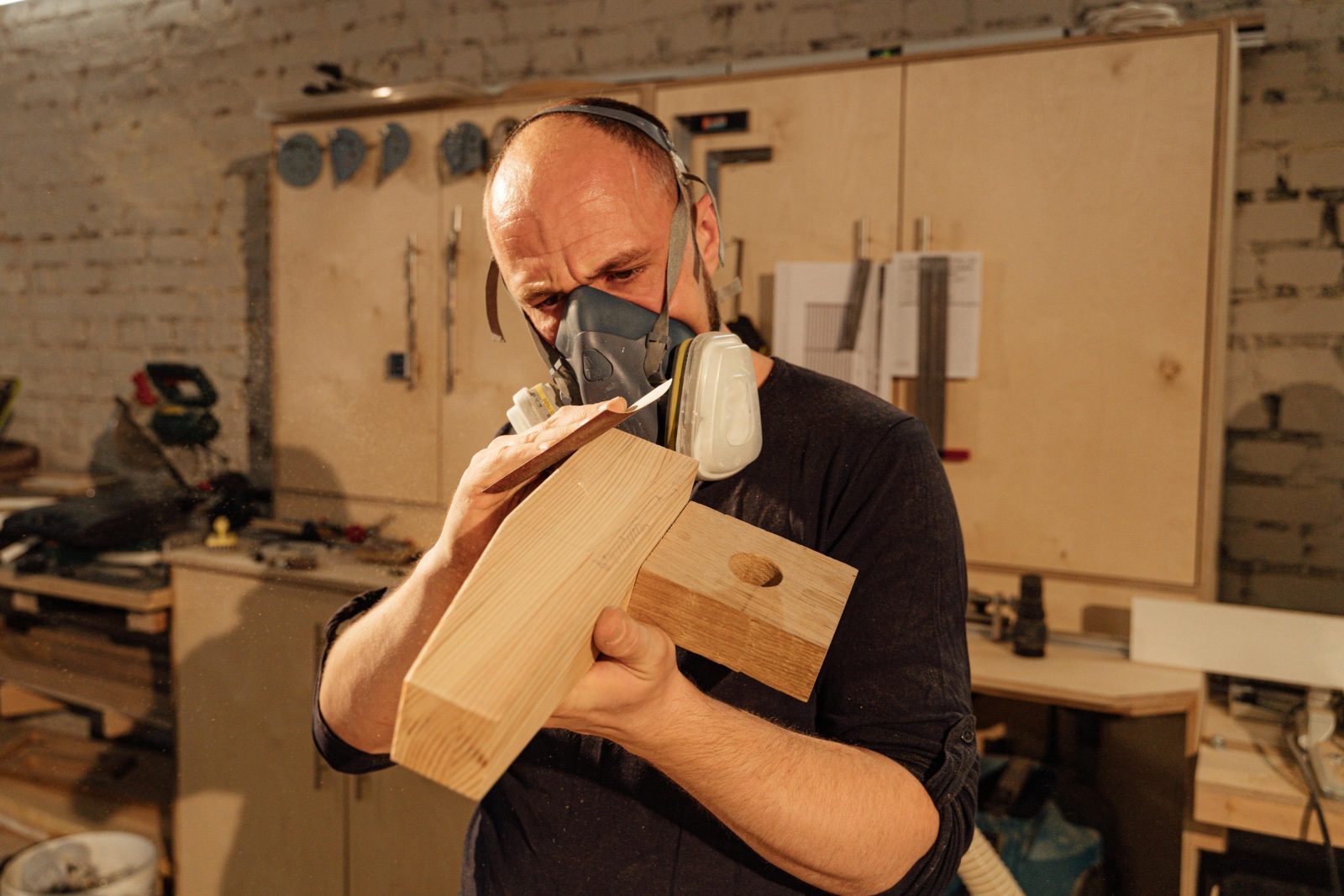
If you are new to sanding, it may seem simple, but small mistakes can lead to poor results. This guide will help you avoid common errors and achieve a smooth, professional finish. Tip 1: Always Sand With the Grain Sanding against the grain can leave visible scratches. Always follow the natural direction of the wood. Tip 2: Use the Right Grit Start with medium grit and move to finer grit. Choosing the correct grit is key to good results. Tip 3: Do Not Press Too Hard Let the sander do the work. Too much pressure can damage the surface and reduce efficiency. Tip 4: Keep the Tool Moving Stopping in one place can create uneven marks. Move the sander smoothly across the surface. Tip 5: Clean Dust Regularly Dust can affect the finish. Clean the surface before changing grit or applying paint. Tip 6: Use Proper Lighting Good lighting helps you see imperfections and improves sanding accuracy. Tip 7: Choose the Right Tool An orbital sander is best for beginners because it is easy to control and produces smooth results. Watch Video Tutorial Watch sanding tips for beginners on YouTube Related Articles Sandpaper Grit Guide: Which Grit Should You Use? How to Use an Orbital Sander Correctly Best Orbital Sanders in 2026 Conclusion Sanding correctly takes practice, but with the right technique and tools, anyone can achieve a smooth and clean finish. Follow these tips and improve your results on every project. Continue Exploring Discover more sanding guides, tool comparisons and expert tips to improve your results. 🔥 You May Also Like Best Orbital Sanders in 2026 (Complete Buying Guide) How to Use an Orbital Sander Correctly Sandpaper Grit Guide: Which Grit Should You Use? Sanding Tips for Beginners (Avoid Common Mistakes) 🏠 Home Page → 🇬🇧 English Topics → 🇪🇸 Spanish Topics → 🇫🇷 French Topics →

HOW TO USE SAND WOOD CORRECTLY

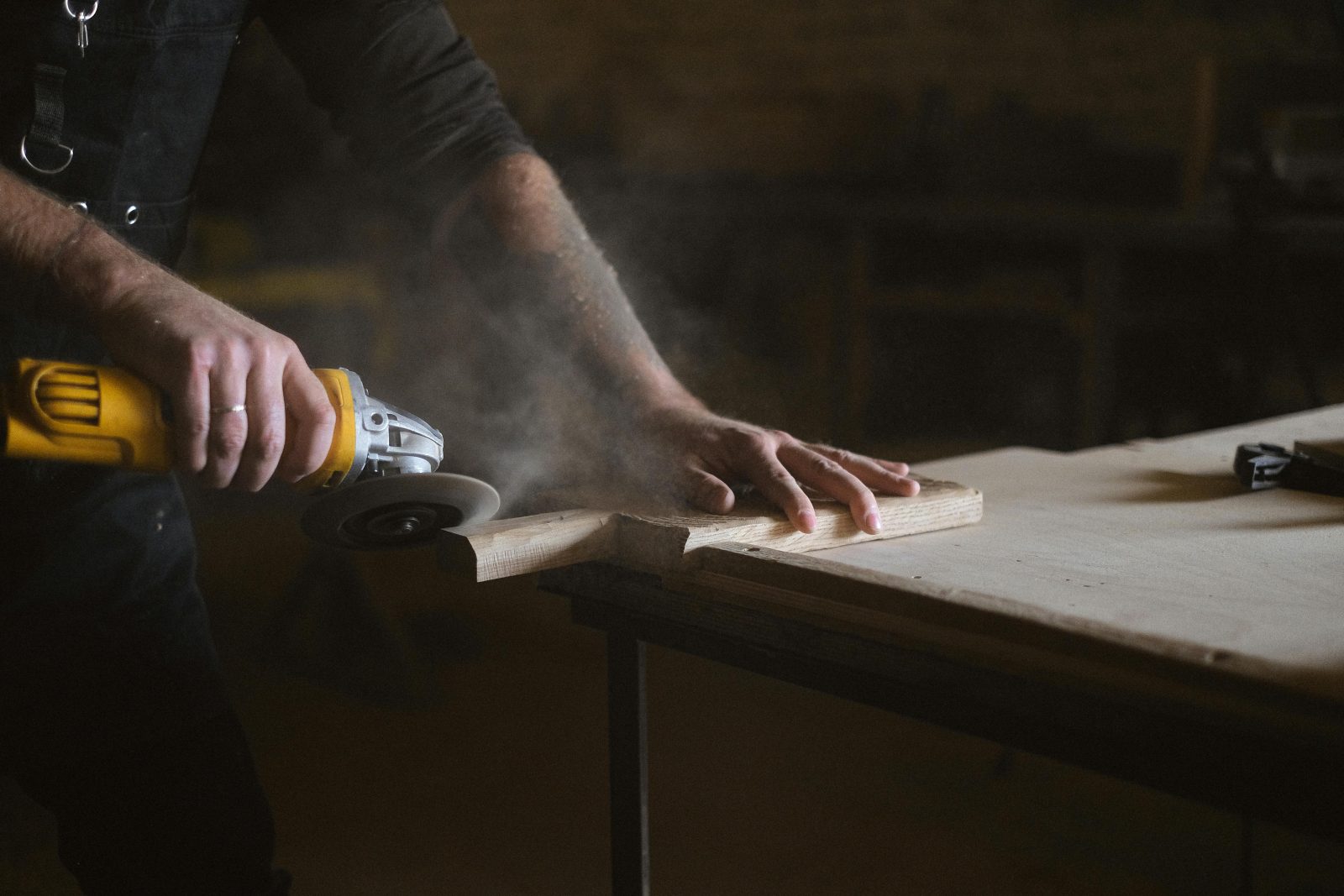
Sanding wood correctly is essential for achieving a smooth and professional finish. Whether you are working on furniture, doors or DIY projects, proper sanding improves the final result and helps paint or varnish stick better. Why Sanding Wood is Important Sanding removes rough areas, old paint and imperfections. It prepares the surface for finishing and improves the overall appearance of the wood. Step 1: Choose the Right Sandpaper 80 grit – for rough surfaces 120 grit – for smoothing 180–220 grit – for finishing Step 2: Sand With the Grain Always sand in the direction of the wood grain to avoid scratches and damage. Step 3: Use Even Pressure Apply light and consistent pressure. Pressing too hard can create uneven surfaces. Step 4: Move Gradually Through Grits Start with coarse grit and gradually move to finer grit for a smooth finish. Step 5: Clean Dust Between Steps Use a cloth or vacuum to remove dust before switching sandpaper. Step 6: Final Finishing Use fine grit (220 or higher) before applying paint, oil or varnish. Manual vs Power Sanding Hand sanding is good for small areas, but for large surfaces, using an orbital sander is faster and more efficient. Watch Video Guide Watch how to sand wood correctly on YouTube Related Articles How to Use an Orbital Sander Correctly Best Sander for Home DIY Projects Best Sandpaper Grit Guide Conclusion Sanding wood correctly is not difficult, but it requires patience and the right technique. Follow these steps and you will achieve a smooth, clean and professional result every time. Continue Exploring Discover more sanding guides, tool comparisons and expert tips to improve your results. 🔥 You May Also Like Best Orbital Sanders in 2026 (Complete Buying Guide) How to Use an Orbital Sander Correctly Sandpaper Grit Guide: Which Grit Should You Use? Sanding Tips for Beginners (Avoid Common Mistakes) 🏠 Home Page → 🇬🇧 English Topics → 🇪🇸 Spanish Topics → 🇫🇷 French Topics →

HOW TO USE AN ORBITAL SANDER CORRECTLY

Using an orbital sander correctly can make the difference between a smooth professional finish and a damaged surface. This guide explains exactly how to use an orbital sander step by step, even if you are a beginner. What is an Orbital Sander? An orbital sander is a power tool designed to smooth surfaces using a circular and random motion. This helps reduce visible scratches and gives a clean finish on wood, furniture and painted surfaces. Step 1: Choose the Right Sandpaper Start with medium grit (120) for general sanding. For finishing, use fine grit (180–220). Step 2: Prepare the Surface Make sure the surface is clean, dry and stable. Remove dust, nails or debris before sanding. Step 3: Hold the Sander Properly Keep a firm but relaxed grip. Do not press too hard—let the machine do the work. Step 4: Start Sanding Slowly Turn on the sander before touching the surface. Move it slowly in smooth, even passes. Step 5: Keep the Sander Moving Never stay in one spot too long. This can create uneven marks or damage the wood. Step 6: Sand With the Grain Always follow the direction of the wood grain for best results. Step 7: Clean Between Grit Changes Remove dust before switching to a finer sandpaper to avoid scratches. Common Mistakes to Avoid Pressing too hard Using the wrong grit Stopping in one place Not cleaning dust Watch Video Tutorial Watch how to use an orbital sander on YouTube Related Articles Best Orbital Sanders in 2026: Complete Buying Guide Sandpaper Grit Guide: Which Grit Should You Use? Sanding Tips for Beginners Conclusion Using an orbital sander correctly is simple when you follow the right steps. Use the correct grit, keep the tool moving and apply light pressure for a smooth and professional finish.

Best Orbital Sander for Furniture Restoration

Restoring old furniture is one of the best ways to save money and give your home a fresh look. But without the right tool, sanding can leave scratches, uneven surfaces or damaged wood. Why Use an Orbital Sander for Furniture? An orbital sander is excellent for furniture because it removes old finish while keeping the surface smooth. It is more gentle than a belt sander and easier to control on tables, chairs, cabinets and shelves. Best Features to Look For Variable speed control Dust collection system Comfortable grip Lightweight design Compatible sanding discs Best Sandpaper Grit for Furniture Start with 120 grit for removing old finish, then move to 180 or 220 grit for a smoother result before painting or varnishing. Video Tutorial This video can help you understand the correct sanding technique: Watch furniture sanding tutorial on YouTube Related Articles Best Orbital Sanders in 2026: Complete Buying Guide for Smooth Finishes how to use an orbital sander Correctly How to Sand Wood Correctly Step by Step Final Advice For furniture restoration, an orbital sander is one of the best choices. It is safe, efficient and gives a clean finish when used with the correct grit. Continue Exploring Discover more sanding guides, tool comparisons and expert tips to improve your results. 🔥 You May Also Like Best Orbital Sanders in 2026 (Complete Buying Guide) How to Use an Orbital Sander Correctly Sandpaper Grit Guide: Which Grit Should You Use? Sanding Tips for Beginners (Avoid Common Mistakes) 🏠 Home Page → 🇬🇧 English Topics → 🇪🇸 Spanish Topics → 🇫🇷 French Topics →