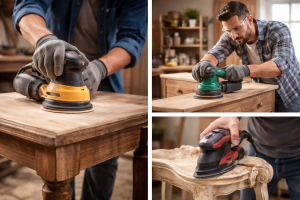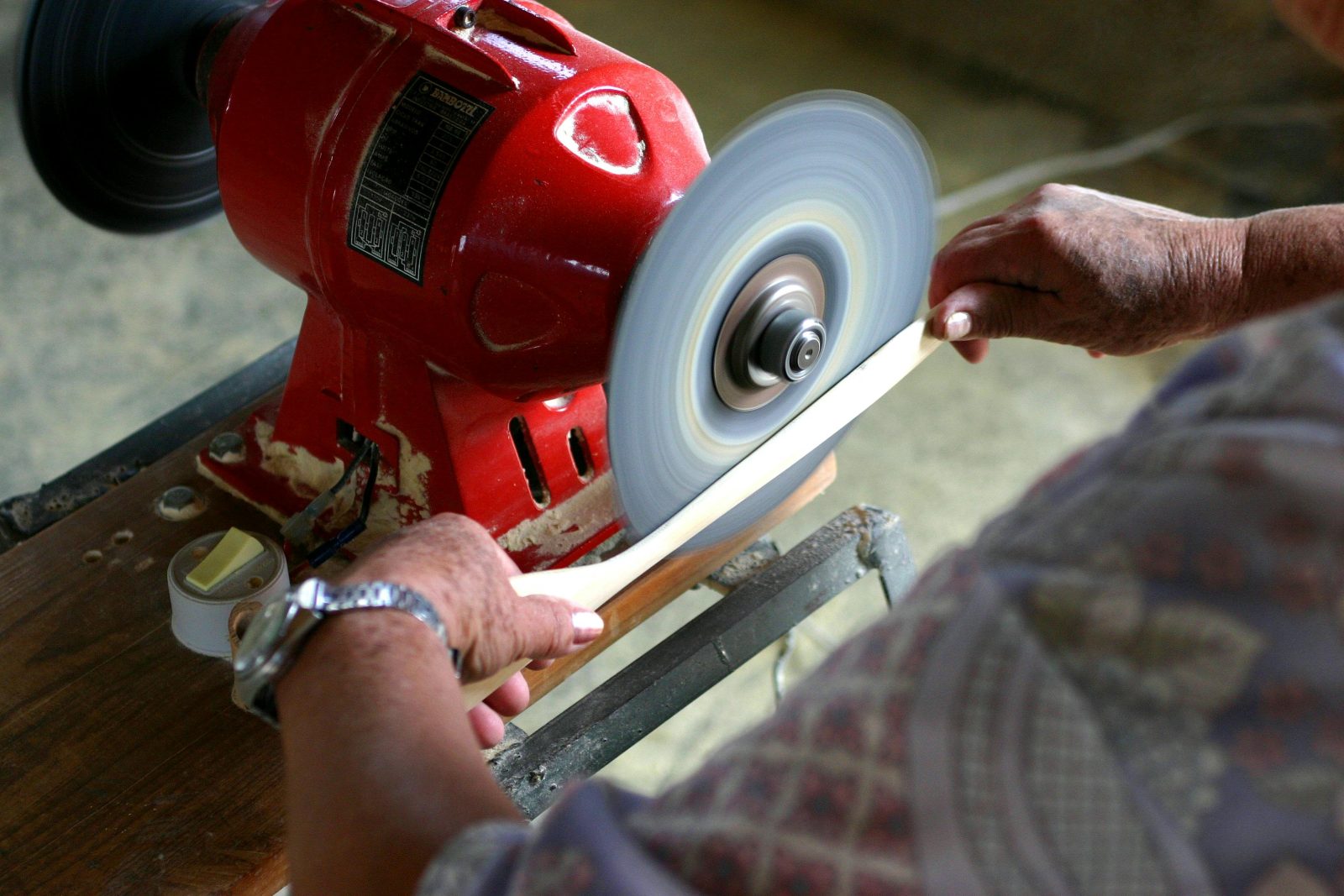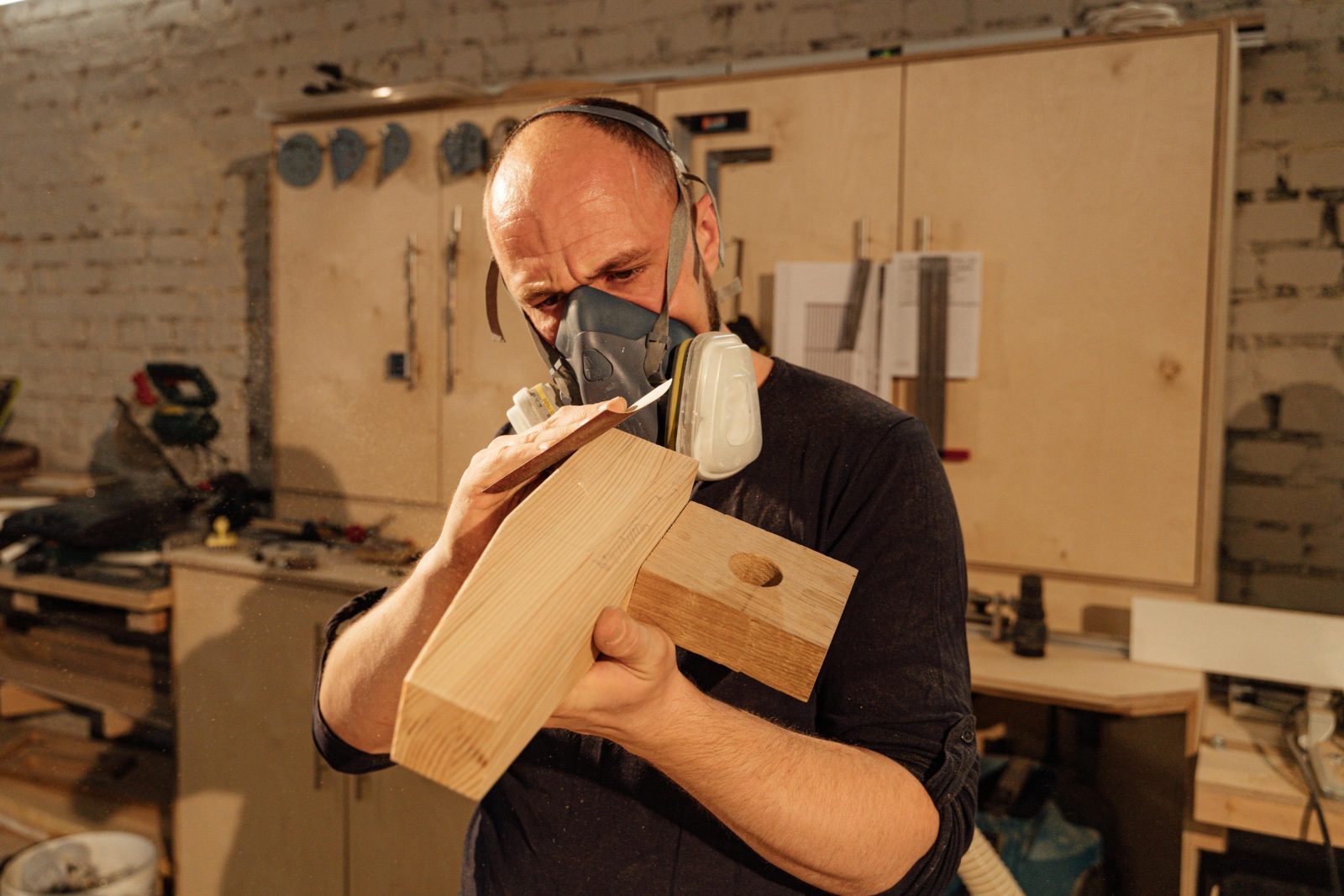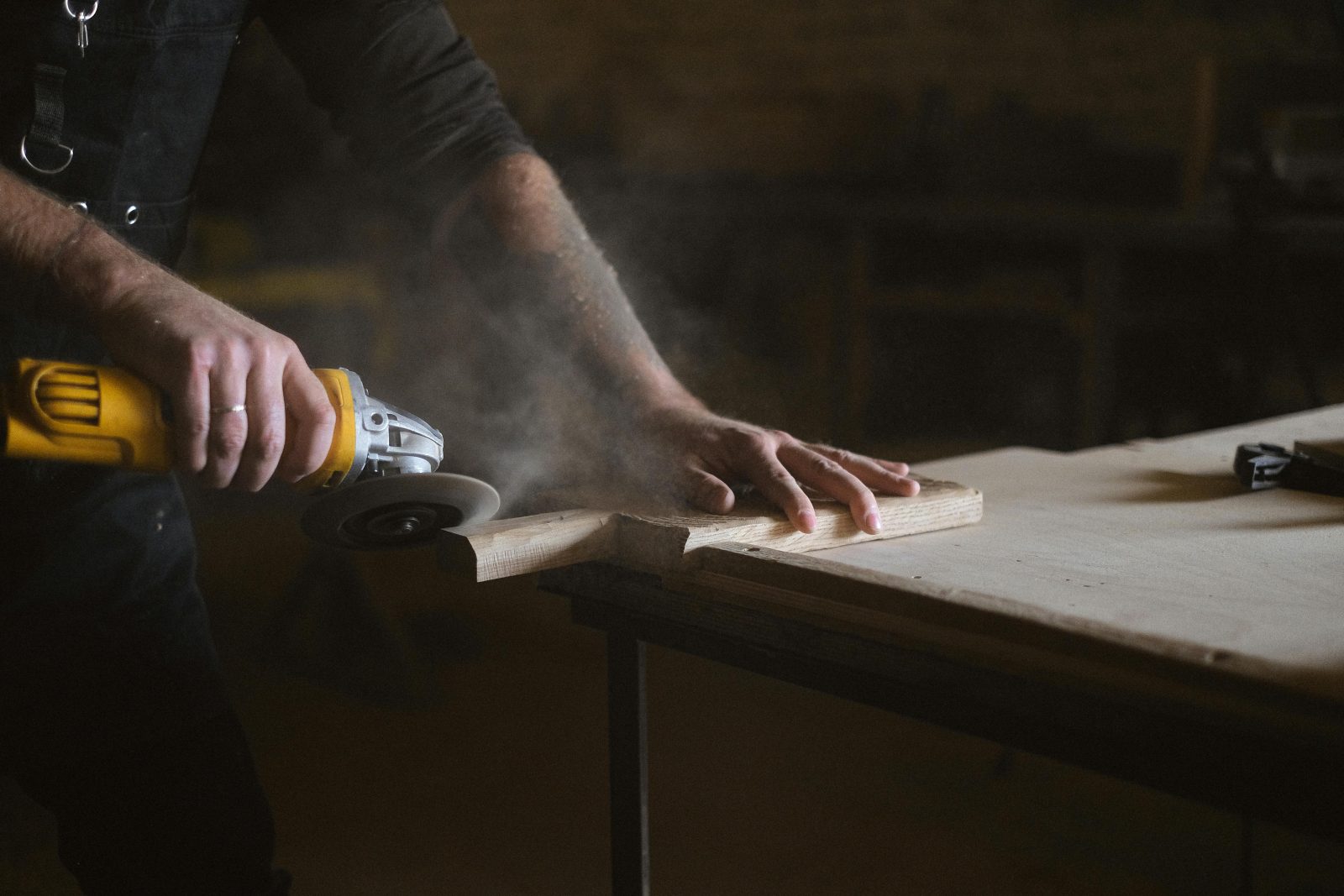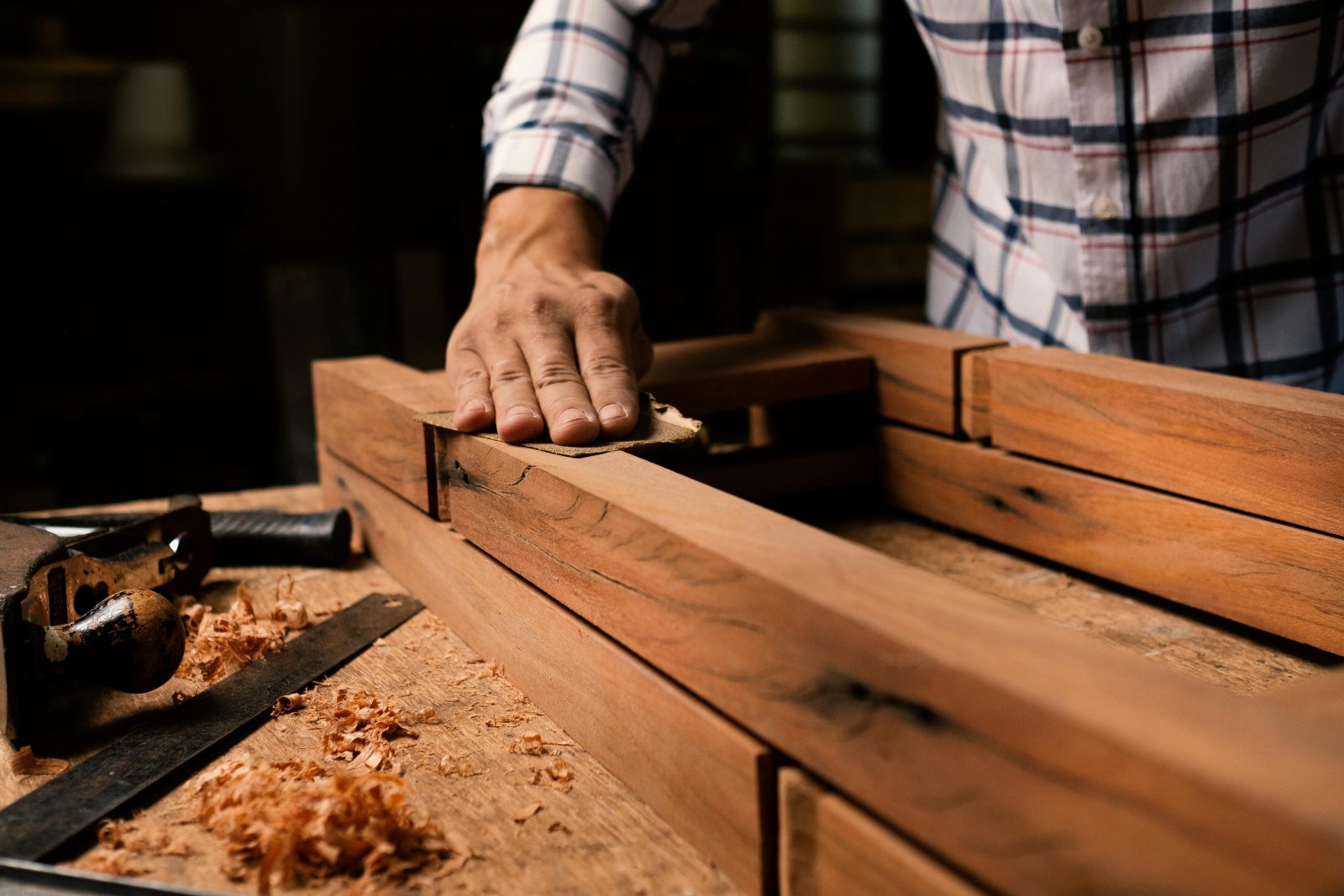
Choosing the correct sandpaper grit is one of the most important steps in any sanding project. Using the wrong grit can damage your surface, waste time and give poor results. This guide explains everything you need to know about sandpaper grit in a simple way.
What Does Sandpaper Grit Mean?
Sandpaper grit refers to the size of abrasive particles on the paper. Lower numbers mean rougher grit, while higher numbers mean smoother grit.
Sandpaper Grit Chart
- 40–80 grit: Heavy sanding, removing paint or leveling rough wood
- 100–150 grit: Smoothing surfaces and preparing wood
- 180–220 grit: Fine sanding before finishing
- 240+ grit: Extra fine finishing and polishing

How to Choose the Right Grit
Start with coarse grit if the surface is rough, then gradually move to finer grit. Skipping steps can leave scratches or uneven results.
Best Grit for Common Tasks
- Removing paint → 60–80 grit
- Smoothing wood → 120 grit
- Before painting → 180–220 grit
- Final finish → 220+ grit
Common Mistakes
- Using fine grit on rough surfaces
- Skipping grit levels
- Not cleaning dust between sanding steps
Watch Video Guide
Watch sandpaper grit explained on YouTube
Related Articles
Conclusion
Choosing the right sandpaper grit is essential for achieving a smooth and professional finish. Always start coarse and move to finer grits step by step for the best results.